
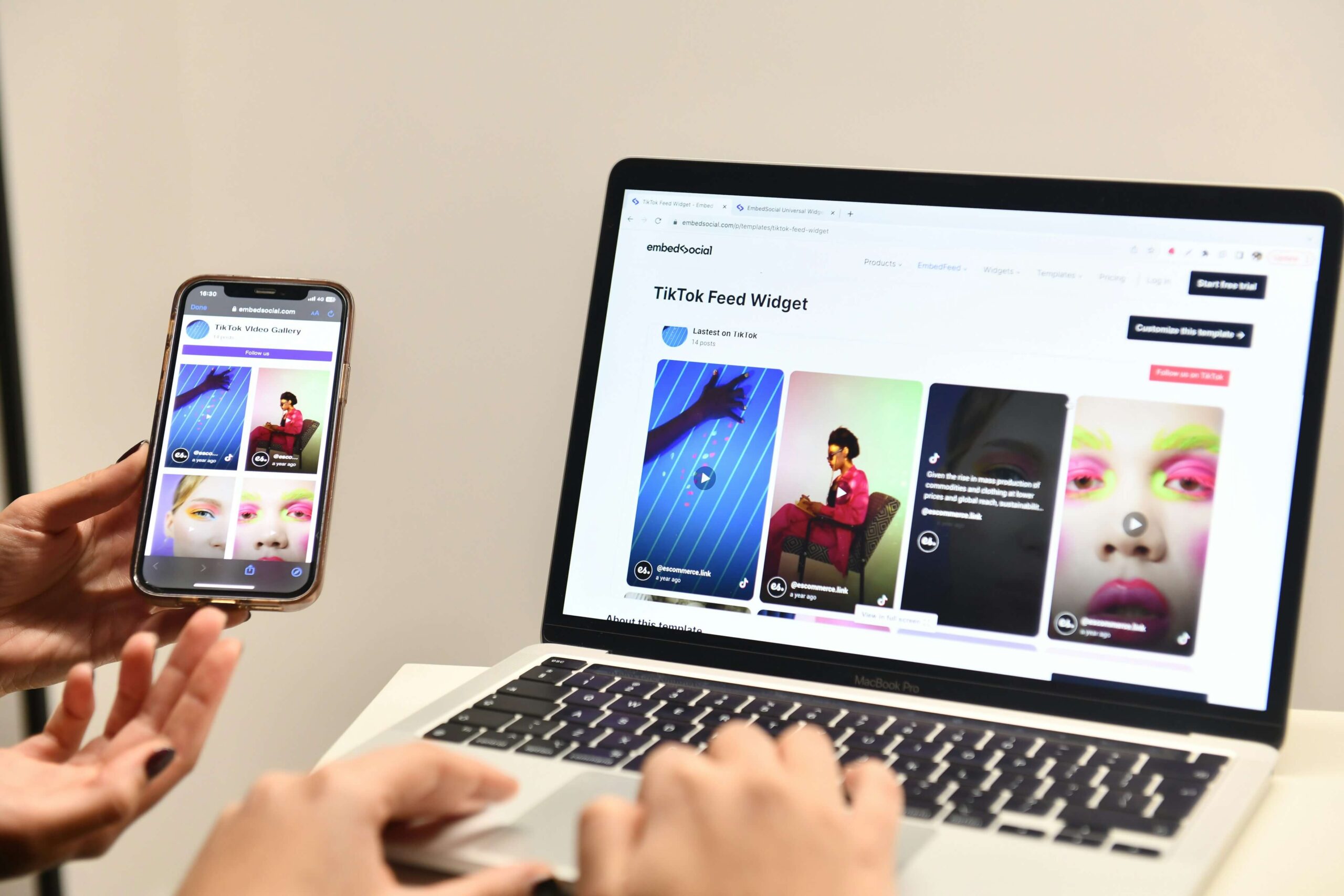



A UGC (user-generated content) creator makes photos and videos that look like real customer content, which brands then use on their own channels and in ads. Unlike influencers, UGC creators don’t need a big following. Brands pay for the content, not your audience.
What does a UGC creator do?
Typical UGC deliverables include:
- Product reviews and testimonials
- Unboxing videos
- “How I use it” tutorials and demos
- Before-and-after content
- Short ads with a hook, problem, product and call to action
Most work is short vertical video for TikTok, Instagram Reels, YouTube Shorts and Meta ads. For the brand’s side of the process, see our UGC marketing checklist and starter guide.
How to become a UGC creator in 7 steps
1. Choose a niche
Pick product categories you know and can film well: skincare, fitness, food, tech, pets, home or parenting. A niche makes it easier for brands to picture you in their ads.
2. Get basic equipment
You don’t need a studio. Start with:
- A recent smartphone with a good camera
- Natural light from a window, or a ring light
- A clip-on microphone for clear audio
- A free editing app such as CapCut
3. Make sample videos
Brands want to see your work before they hire you. Film 3–6 short videos using products you already own. Show different formats: a review, an unboxing, a tutorial and an ad-style video with a strong hook in the first two seconds.
4. Build a portfolio
Put your best samples in one place: a simple website, a Notion page or a free portfolio tool. Include a short bio, your niche, example videos, and your contact details. A UGC-only Instagram or TikTok account can also work as a portfolio.
5. Set your rates
Rates vary a lot by experience, niche and usage rights. Many beginners start at around $100–$200 per video, and experienced creators often charge several hundred dollars or more. Price these separately:
- Usage rights: how long and where the brand can use your content (organic only, or paid ads).
- Raw footage: unedited clips cost extra.
- Variations: extra hooks or edits of the same video.
- Exclusivity: not working with competitors for a set time.
6. Find brands and platforms
- UGC marketplaces: platforms such as Billo, Insense, Collabstr and JoinBrands connect creators with brands.
- TikTok’s creator marketplace (part of TikTok One) lists brand campaigns.
- Direct outreach: email or DM small and mid-sized brands in your niche with a short pitch and your portfolio link.
- Agencies: some influencer marketing agencies also hire UGC creators for campaigns.
A simple pitch:
“Hi [brand], I’m a UGC creator focused on [niche]. I love [product] and have ideas for short videos you could use in your ads. Here’s my portfolio: [link]. Would you be open to a trial video?”
7. Deliver professionally and get repeat work
- Agree on a brief, deliverables, deadlines, usage rights and payment terms in writing.
- Deliver on time, in the right format and aspect ratio.
- Ask for feedback and a testimonial.
- Offer packages (for example, three videos a month) to turn one-off jobs into retainers.
Tips to stand out as a UGC creator
- Master hooks. The first two seconds decide whether people watch.
- Study ads. Browse Meta’s Ad Library and TikTok’s Creative Center to see what works.
- Be natural. UGC works because it looks real, not polished.
- Learn basic editing: captions, cuts, B-roll and trending audio.
For more on what makes content take off, read how to create viral content for social media and how to gain organic Instagram followers.
FAQ
How much money do UGC creators make?
It depends on rates, niche and volume. Beginners may earn a few hundred dollars a month, while experienced full-time UGC creators can earn several thousand or more, especially with retainers and paid usage rights.
Do you need followers to be a UGC creator?
No. Brands pay for the content itself and post it on their own channels or in ads, so your follower count doesn’t matter much.
What is the best UGC platform for beginners?
Marketplaces such as Billo, Insense and Collabstr are common starting points because brands post jobs there. Direct outreach to small brands also works well for building a portfolio.
Is UGC still worth it in 2026?
Yes. Brands still rely on authentic short-form video for ads, and creators who deliver strong hooks and reliable work get repeat clients.
